
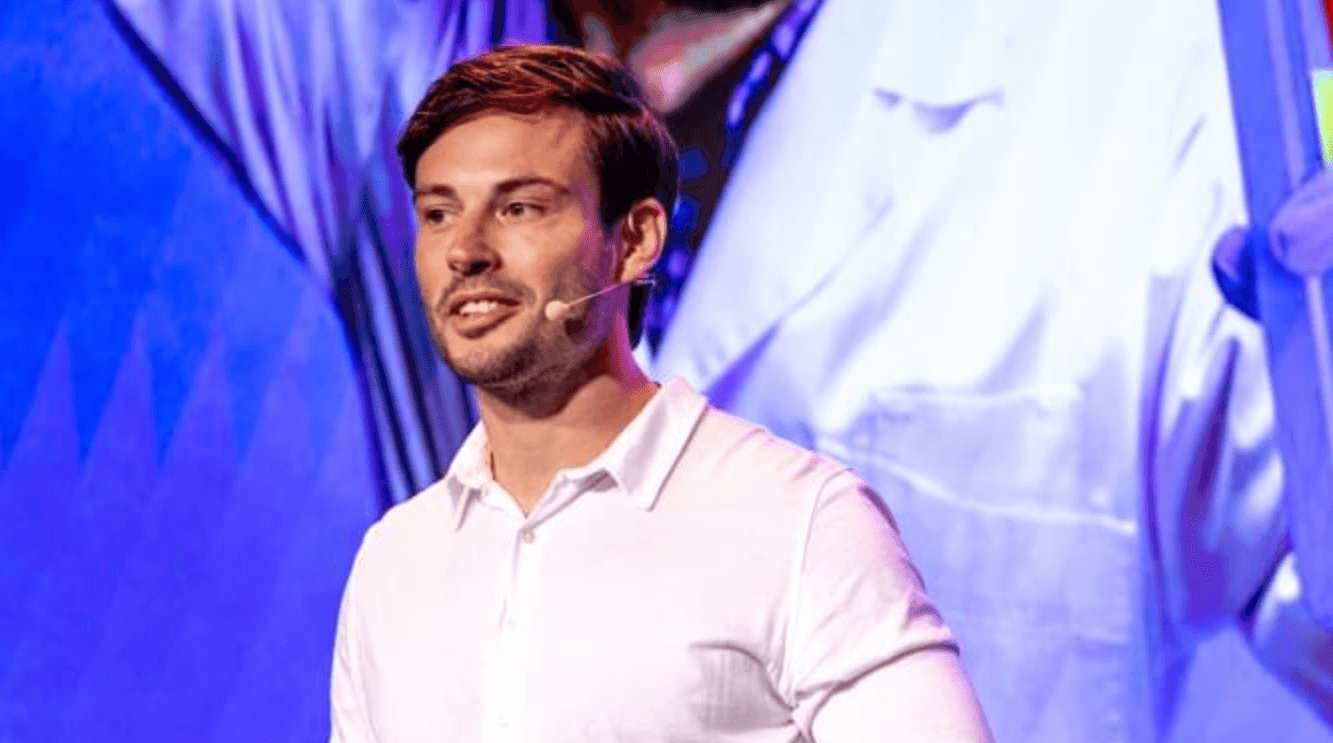
Joshua says, "A multidisciplinary team is obviously essential for a strong program. CRO is a super multi-faceted profession. For a successful experimentation program, it is necessary to have the right expertise at the table. Web analysis, psychology, UX design and also copy are, in my opinion, indispensable if you want to take a bigger approach. Because we lacked that knowledge ourselves, we sought collaboration with agencies. We have been working with Online Dialogue for a couple of years now and that has not been a bad thing. They are very strong in data (science) and psychology and we needed a clear vision and method to get the organization on board.
Experience shows that a good CRO program starts with someone who is passionate about CRO or validation-driven work. An ambassador who dives into the data, knows how to take people into the customer's problems and dares to question the current state of affairs.In terms of resources, still, you often see programs develop focus around a few tools or data sources and are invested in such a way. I think the choice depends in part on the development mode of your program or organization. If you want to innovate faster, then you are more likely to do prototyping and UX studies. If you're more on real optimizations then you'll probably stick closer to web analytics and other quantitative tools.'
From experimentation to validation culture
While working with Online Dialogue, the process and vision for a successful experimentation program was formulated and promulgated. So how do you move to the next step and create a validation culture? 'DPG has already more than embraced validation. I often see colleagues outside our team coming up with or setting up experiment proposals, which tells me that the value is recognized. Validation Culture I find it a difficult concept - opinions are also quite divided about what it entails - but I see, for example, that we rarely put things live without validation and that there is also social control of this by colleagues. That's quite a lot if you ask me!'
'We wanted to make colleagues and management part of the validation process in a way that matched their goals. In doing so, we focused mainly on people who were receptive to experimentation and did not spend too much time on colleagues who were less enthusiastic. In this I was fortunate to work in a fairly flat organization, a director who found experimentation interesting and that in Niels Rewinkel I had a first teammate with whom I was very complementary in character and skills.' [Niels Rewinkel was Experimentation Program Manager at DPG Media, serving as DPG Business Manager SHOPS and Marketing Positions since 2022, ed.]
'In addition, my goal has always been to capture our experiments and programs in business value, especially through business cases. You have a budget to account for, then value should be extracted from that - or at least told how much was saved by poor choices not to make. Otherwise, next time, those euros will go to a campaign whose ROI is immediately apparent.
Testing for the sake of testing
The growth to validation culture did not happen without a struggle. A culture change is sometimes very elusive. The biggest challenge has been to get colleagues on board while keeping the focus on why you are doing it in the first place: to create a sustainable validation-driven working method. 'It's hard to explain why you want to validate so many things. "This is testing for the sake of testing" is a reproach I have sometimes received. You can only blame yourself for that - because as far as I'm concerned you haven't told a good story about why validation is almost always the better option. The support from Online Dialogue has been valuable in this, in the form of workshops and daily support with which the story of validation suddenly got different faces. You also have to present yourself with a mirror. In the beginning I got stuck in my own tunnel vision and the idea that everyone thinks what we as a CRO specialist think is important. I now understand that for many colleagues there is more that they want to get out of their work than just uplift or a nice business case. I have learned to empathize better with others to determine what they can get out of experimentation, and I believe we are pretty well on our way there.