March 5, 2026
Why experimentation is becoming an operating model for smart organizations
A conversation with Valentin Radu, founder of Omniconvert, on experimentation as an operating model, AI and sustainable digital growth. Read more

We are looking for a data analyst! Check the job posting.

Placing products in a shopping cart and then failing to check them out. In e-commerce, so-called “online shopping cart abandonment” is commonplace. But is it indeed as big a problem as we think? Where does it come from? And what can you do to prevent visitors from abandoning their shopping cart? In this blog I answer these questions using scientific literature and recent data from our large database of Dutch web shops. According to recent data from 10 webshops in our database, 7 to 8 out of 10 shopping baskets are abandoned without checkout. Therefore, I give three tips at the end of the blog to prevent your visitors from leaving their shopping baskets prematurely.

Online shopping cart abandonment means placing products in your shopping cart but not checking them out (Bell et al., 2020; Wang et al., 2022). In other words, the archetypal Dutch phenomenon of “look, look, don't buy.” Although in offline stores it is not that common to see filled shopping baskets or shopping carts standing in the aisle without anyone checking them out, online this is common. Estimates range from about half of the cases to around 90% (Bell et al., 2020; Wang et al., 2022). According to statista the global online shopping cart abandonment rate is 88.05%. This means that, according to research by statista, nearly 90% of all online shopping carts filled are NOT paid for.
What about Dutch web shops? To check this out, I did a dive into our database. Thanks to our 12+ years of experience and more than 7000 tests, we have a lot of data available. I made an overview of recent funnels of 10 Dutch webshops to find out in what percentage of visits it occurs that someone enters the shopping cart but does not complete an order (= online shopping cart abandonment rate). The average rate is 68.19%. This means that 68 out of 100 filled shopping carts are abandoned without completing a checkout. However, the median (the middle value of the range) is a better value to look at in this case because it is less sensitive to extreme values. This is useful because there is one e-commerce party in the dataset that has a significantly lower shopping cart abandonment rate than the others. The median rate of 10 companies in this study is 77.39%. Both the average rate, and the median, are significantly lower in our database than in the academic literature.
There are differences between basket abandonment rates on different devices. Desktop baskets are abandoned in an average of 57.22% of cases (median 67.54%), and mobile baskets in an average of 64.08% of cases (median 76.96%). This presents a different picture from the scientific literature, which describes that 73% of desktop baskets are abandoned, compared to 85% of mobile baskets (Wang et al., 2022). The rates seen in our database are significantly lower. In both the scientific literature and our own database, mobile baskets are abandoned more often than desktop baskets.
The differences between sectors are huge. We see the highest shopping cart abandonment rate at a provider of luxury goods (quality coffee, 88.13%) and automobiles (79.17%). We see the lowest rate at a hospitality wholesaler (13.09%). This is consistent with the scientific literature showing that the shopping cart failure rate is highest in the automotive industry (96.88%) and luxury goods (92.61%. Wang et al., 2022). Again, the shopping cart abandonment rates reported in the literature are higher than what we find in our database.
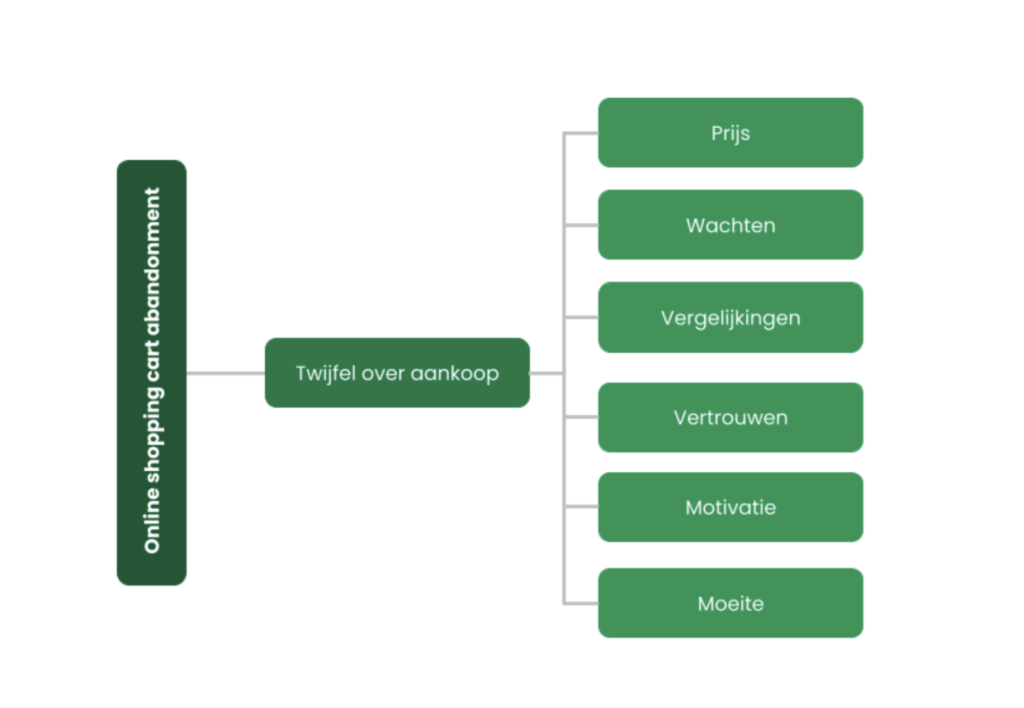
Figure 1: Underlying factors of early cart abandonment (based on Wang et al., 2022)
The literature shows that there are very many factors that cause visitors to leave their shopping baskets and not complete a purchase (see Figure 1). Many of these factors can be traced back to purchase doubt. Doubt in the check-out is a fatal factor for conversion (Wang et al., 2022). There are a number of factors that influence this doubt about purchase.
... Just a quick note: we send out a newsletter every three weeks that includes the latest blogs, team updates and, of course, news about the offerings in our academy. Click here to subscribe.
So there are all sorts of reasons why visitors abandon their shopping carts early. Some of these reasons you can influence (on your Web site), while other factors are more out of your control. The prize of your products is not always possible, moreover, you run the risk of a “race to the bottom” (see this blog). It is also not feasible to make sure that visitors do not compare your products with competitors' products. Increasing the purchase motivation of your visitors is not always easy or feasible (see also this blog). So it's important to know which cogs you can turn yourself to prevent online shopping cart abandonment.
References
Want to read more of our blogs? Then subscribe to our newsletter! Then get the latest blogs, event updates and info about our academy in your inbox every three weeks.
 Nederlands Nederlands
 English