
March 5, 2026
Why experimentation is becoming an operating model for smart organizations
A conversation with Valentin Radu, founder of Omniconvert, on experimentation as an operating model, AI and sustainable digital growth. Read more

We are looking for new colleagues! Check out our vacancies.
Diversity and inclusiveness in the workplace is a topic that is receiving increasing attention within organizations. Clients, customers, students and colleagues all have their own specific mix of visible and invisible forms of diversity. For example, in terms of background, characteristics, skills, knowledge and much more. This means that embracing diversity and inclusiveness is crucial for a healthy and productive work environment. In our fourth edition of the Psychologists in the Wild we brought together a small group of behavioral experts and researchers from diverse backgrounds and discussed diversity and inclusivity in the workplace.
Let's start with the basics. How do we understand diversity and inclusiveness? There are different approaches to this, depending on the context (Farndale et al., 2015). At the Psy Meetup, we defined diversity as recognizing and celebrating the unique differences that exist between people, including their skin color, ethnicity, gender, sexual orientation, religion, age and abilities. It is about recognizing that everyone has their own background, experiences and perspectives that make them who they are.
Inclusion, on the other hand, is about creating a welcoming and respectful environment where everyone feels recognized and valued, regardless of their differences. This means actively working to break down barriers and prejudices that may keep certain groups from full participation. An inclusive workplace is one where all employees feel comfortable and where diversity is recognized as a strength. Together, diversity and inclusion are essential to creating a healthy workplace. But to recognize and celebrate diversity, or to foster an inclusive environment, we also need to talk about it. And that's not always easy.
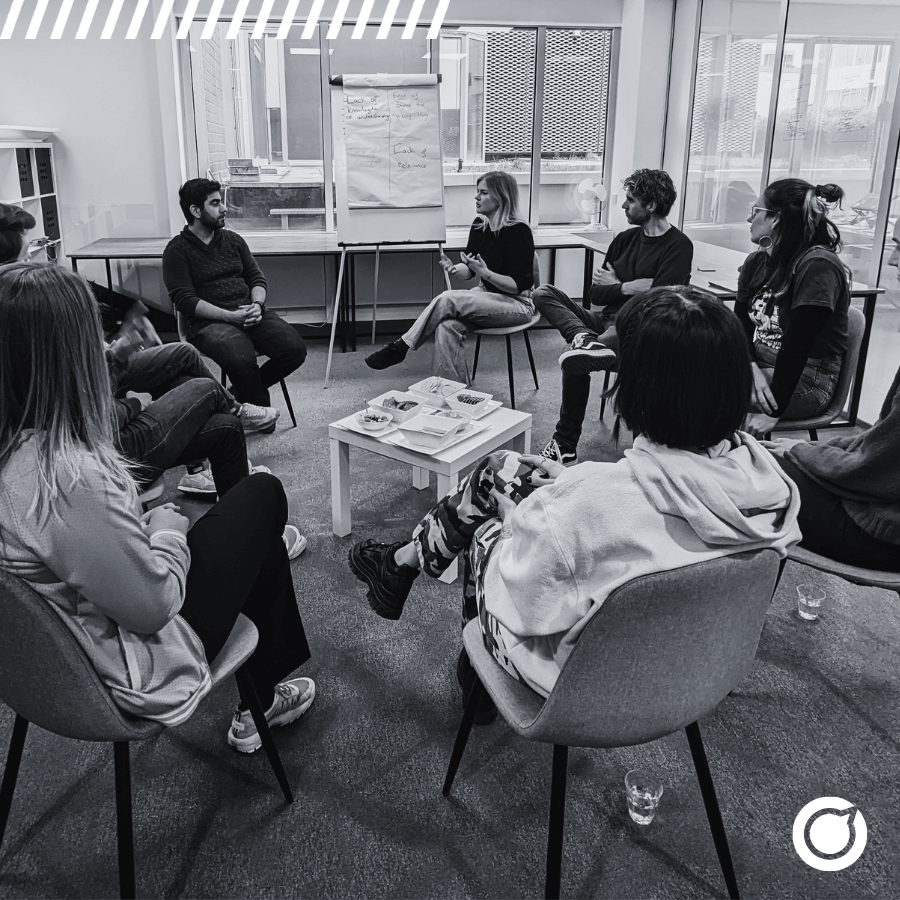
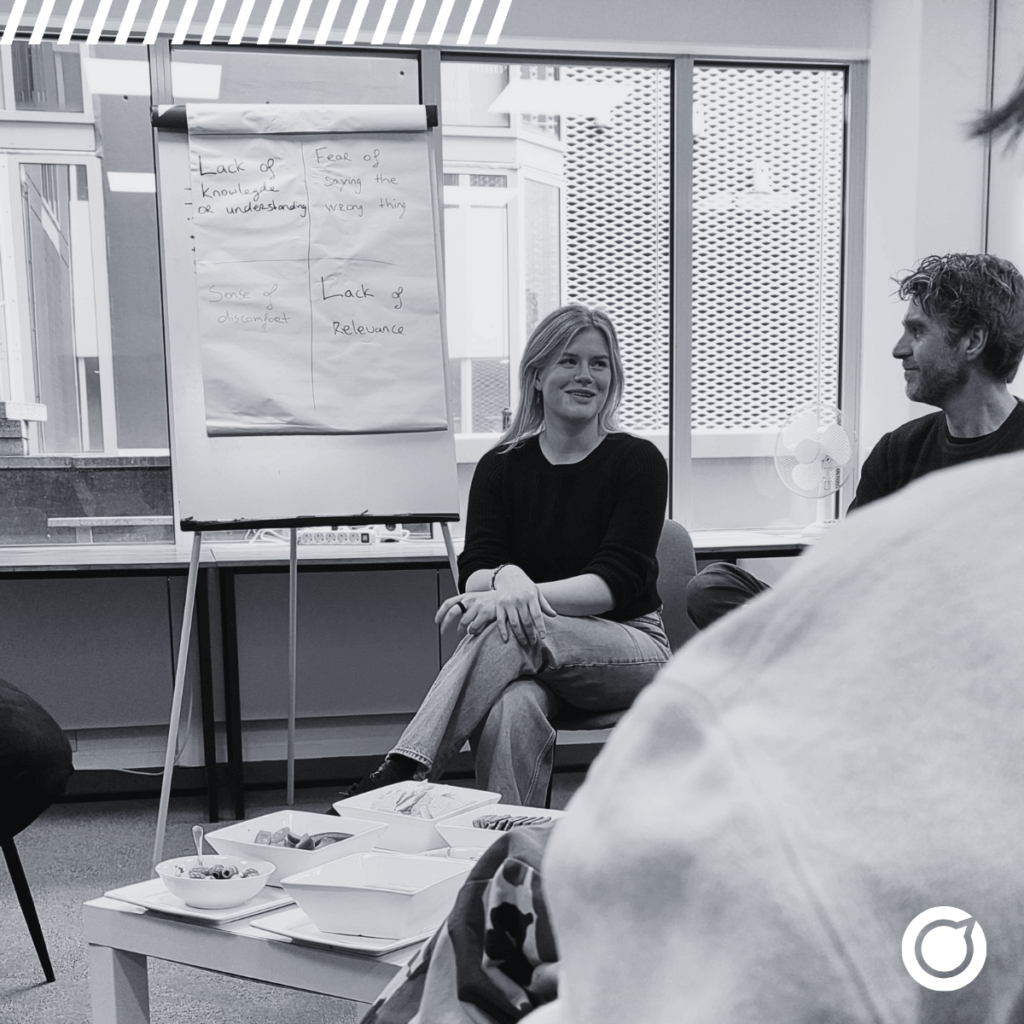
At the Psy Meetup, we recognized that people (including ourselves) can be hesitant to participate in conversations about diversity and inclusion. The topic is very complex and often involves challenging deeply held beliefs and societal norms. It can also mean that people have to face their own biases and assumptions, which can be a difficult and uncomfortable process. Moreover, conversations about diversity and inclusion often involve power dynamics and privilege. In the workplace, where hierarchies and power structures may be firmly entrenched, it can be challenging for certain groups to feel heard or valued (Kirton & Greene, 2021).
We identify the following six reasons why people may shy away from the conversation.
Ultimately, it also boils down to the fact that people are not fans of tension and prefer to choose the path of least resistance because it is more comfortable and easier to walk. But despite the obstacles, it is essential to prioritize discussions about diversity and inclusion to create more inclusive workplaces. By doing so, we can ensure that everyone feels valued and included, which is precisely how we can benefit from a diverse composition of people.
... Just a quick note: we send out a newsletter every three weeks that includes the latest blogs, team updates and, of course, news about the offerings in our academy. Click here to subscribe.
We would like to thank our guests for sharing their insights and experiences. Their unique backgrounds and perspectives brought a fresh and inspiring perspective to the conversation. As one of our guests put it, this Psy Meetup was particularly “thought provoking.” We are eager to share more of our lessons and tips for improving inclusivity in the workplace. So stay alert for our next blog post, where we will share our evidence-based interventions and fun tips for creating a more inclusive workplace.
Reference List
Kirton, G., & Greene, A. M. (2021). The dynamics of managing diversity and inclusion: A critical approach. Routledge.
Bell, M. P., & Washington, M. (2012). Diversity in organizations: A critical examination. In The Oxford Handbook of Diversity and Work (3-17). Oxford University Press.
 Nederlands
 English